Discreet Messaging Apps for Adults: Private Ways to Chat Securely in 2026
Summary
This article explains how discreet messaging apps help adults communicate more privately online. It covers encryption, disappearing messages, hidden chats, and other key privacy features. Readers learn the differences between private and traditional messaging apps, plus common privacy mistakes to avoid. The guide also compares app types and discusses free vs paid options. It concludes that discreet messaging apps are valuable tools when combined with smart privacy habits.
At some point, most adults realize something uncomfortable:
Modern messaging apps know a lot about us.
Who we talk to. When we talk. Where we are. Sometimes probably what snack we were eating during the conversation.
That’s why interest in discreet messaging apps for adults keeps growing. People want privacy again—or at least the illusion of it with fewer algorithms peeking over their shoulder.
And honestly? I get it.
Not every conversation belongs permanently archived in the cloud beside 4,000 screenshots and blurry vacation photos.
So after trying plenty of private messaging platforms over the years, here’s the practical breakdown: what discreet messaging apps actually do well, where they fall short, and how to use them without accidentally turning yourself into your own security risk.
What Are Discreet Messaging Apps for Adults?
Discreet messaging apps are platforms designed to make conversations more private, secure, or temporary.
That can include:
- End-to-end encryption
- Hidden chats
- Self-destructing messages
- Anonymous accounts
- Password-protected conversations
The goal is simple:
Give users more control over who sees their conversations.
A surprisingly radical idea in 2026.
How Discreet Messaging Apps Work
Most private messaging apps rely on encryption.
That means messages are scrambled during transmission so outsiders—including the app itself, ideally—can’t easily read them.
Some apps go further with:
- Disappearing messages
- Screenshot alerts
- Hidden app modes
- Minimal data storage
Others mostly just rebrand regular messaging with darker colors and the word “secure” in the marketing.
So choosing carefully matters.
Why Adults Use Private Messaging Apps
The reasons vary more than people assume.
Some want:
- Better privacy
- Cleaner separation between personal and professional life
- More secure dating conversations
- Temporary chats without permanent history
And some are simply tired of feeling like every app is quietly collecting behavioral data for eternity.
Fair concern.
Key Features to Look for in Discreet Messaging Apps
Not all privacy apps are equally private.
Some genuinely prioritize security.
Others prioritize looking secure.
Big difference.
End-to-End Encryption
This is the gold standard.
With proper end-to-end encryption:
- Only you and the recipient can read messages
- Even the platform itself shouldn’t access content
If an app lacks this, privacy becomes much more questionable.
Hidden or Locked Chats
This feature is underrated.
Many discreet messaging apps allow:
- Password-protected chats
- Hidden conversation folders
- App lock features
Useful if you share devices or simply value privacy.
Self-Deleting Messages
Some conversations don’t need permanent archives.
Temporary messaging:
- Reduces digital clutter
- Limits long-term exposure
- Adds an extra privacy layer
Also convenient for people who panic after sending messages at 1:14 a.m.
Minimal Data Collection
This matters more than flashy features.
The best apps collect:
- Less metadata
- Fewer personal details
- Minimal behavioral tracking
Privacy starts with reducing what’s stored in the first place.
Best Types of Discreet Messaging Apps
Different apps solve different problems.
Choosing the right category matters more than chasing trends.
Encrypted Messaging Apps
Best for:
- Serious privacy
- Everyday secure communication
Pros:
- Strong protection
- Reliable encryption
Cons:
- Sometimes smaller user bases
These are usually the strongest overall option.
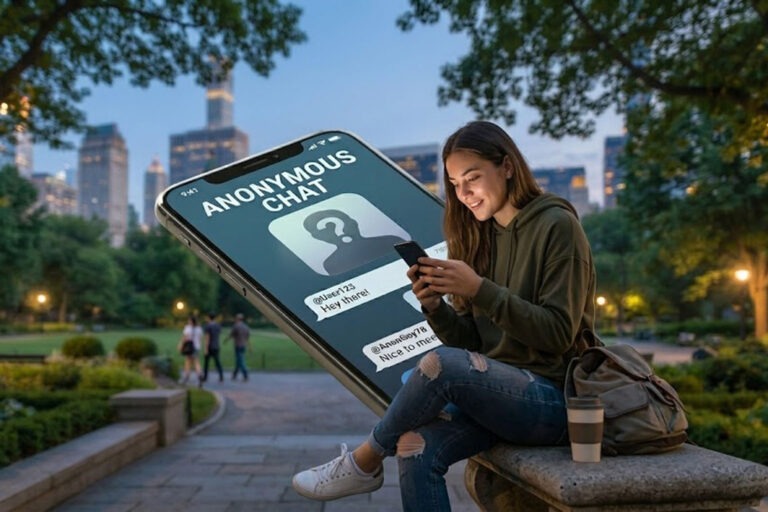
Anonymous Chat Apps
Best for:
- Casual conversations
- Privacy without identity sharing
Pros:
- No personal profile needed
Cons:
- Lower trust levels
- More unpredictable interactions
Anonymity is useful—but it also attracts chaos occasionally.
Internet rules remain undefeated.
Business-Focused Private Apps
These prioritize:
- Professional communication
- File security
- Workplace privacy
Good for separating work from personal messaging.
Less useful for casual interaction.
Temporary Messaging Apps
Built around disappearing content.
Great for:
- Short-term communication
- Less permanent digital history
Not ideal for conversations you may actually need later.
Discreet Messaging Apps vs Traditional Messaging Apps
The difference comes down to philosophy.
| Feature | Discreet Apps | Traditional Apps |
|---|---|---|
| Encryption | Stronger | Mixed |
| Data Collection | Lower | Higher |
| Temporary Messages | Common | Limited |
| Privacy Controls | Better | Basic |
| Convenience | Slightly lower | Very high |
Mainstream apps prioritize convenience.
Discreet apps prioritize control.
Sometimes those goals conflict.
Are Discreet Messaging Apps Really Private?
This is where expectations should stay realistic.
Because no app creates perfect privacy.
What Encryption Actually Protects
Encryption protects message content.
That’s important.
But it doesn’t always hide:
- Who you contacted
- When you contacted them
- Device information
- IP addresses
This is called metadata.
And many users overlook it entirely.
Common Privacy Misconceptions
People often assume:
“Encrypted means invisible.”
Not exactly.
Privacy apps improve security—but human behavior still matters most.
For example:
- Screenshots still exist
- Weak passwords still exist
- Oversharing still exists
Technology can only do so much.
Best Use Cases for Discreet Messaging Apps
These apps shine in specific situations.
Personal Conversations
Sometimes you simply want private communication without social media noise attached to it.
Reasonable.
Professional Privacy
Many professionals separate:
- Work communication
- Personal conversations
- Dating or social interactions
Discreet messaging helps maintain those boundaries.
Online Dating Communication
A lot of people move dating conversations to private messaging apps after initial contact.
And honestly, that’s often smarter than handing out personal numbers immediately.
Anonymous Discussions
Some people prefer discussing:
- Mental health
- Personal issues
- Sensitive topics
…without identity exposure.
Anonymity can encourage honesty.
Common Mistakes People Make With Private Messaging Apps
Ironically, users are usually the weakest security link.
Not the apps.
Sharing Too Much Personal Information
No app can protect information you willingly give away.
Avoid sharing:
- Financial details
- Addresses
- Workplace information too early
Privacy still requires judgment.
Trusting Unknown Contacts Too Quickly
Just because an app is encrypted doesn’t mean strangers become trustworthy.
Scammers love private platforms too.
Unfortunately, they’re very adaptable people.
Ignoring Security Settings
Many users skip:
- Two-factor authentication
- App locks
- Privacy controls
Then wonder why their “private” app wasn’t very private.
Use the tools available.

How to Choose the Best Discreet Messaging App
Here’s what actually matters.
Define Your Privacy Needs
Are you looking for:
- Total anonymity?
- Basic secure messaging?
- Temporary communication?
Different goals require different apps.
Evaluate Security Features
Look for:
- End-to-end encryption
- Independent security reputation
- Transparent privacy policies
Marketing buzzwords aren’t enough.
Check Reputation and Transparency
The best apps explain:
- What data they collect
- How encryption works
- What protections users actually get
Vague privacy claims are a red flag.
Free vs Paid Discreet Messaging Apps
Free apps can absolutely work well.
But there are trade-offs.
What Free Apps Usually Offer
Typically:
- Core messaging
- Basic encryption
- Standard privacy tools
Enough for most users.
What Paid Features Improve
Premium versions may include:
- Larger file sharing
- Advanced account protection
- More customization
- Additional storage controls
For heavy users, those upgrades can be worthwhile.
Final Verdict: Are Discreet Messaging Apps Worth Using?
Absolutely.
Especially if privacy matters to you.
The best discreet messaging apps for adults provide:
- Better control
- More secure communication
- Less unnecessary exposure
But here’s the key thing:
No app replaces common sense.
Good privacy habits matter more than any feature list.
Still, using a platform built around security instead of advertising algorithms is already a pretty solid start.
What are the best discreet messaging apps for adults?
The best apps depend on whether you prioritize anonymity, encryption, or temporary messaging features.
Are discreet messaging apps safe?
Most reputable apps are safe when used with strong passwords and proper privacy settings.
Can messaging apps really keep conversations private?
Encrypted apps protect message content, but users should still avoid oversharing sensitive information.
Do discreet messaging apps delete messages automatically?
Some apps include disappearing or self-destructing message features for additional privacy.
Are free private messaging apps good enough?
Many free apps offer excellent security features, though premium versions may provide more advanced tools.
Closing Thought
Privacy online isn’t really about hiding.
It’s about choosing who gets access to your conversations in the first place.
And honestly, that feels increasingly valuable these days.